
Roxy Paine
Overgrown Neuron
Talley Dunn Gallery
February 20 – May 9, 2026
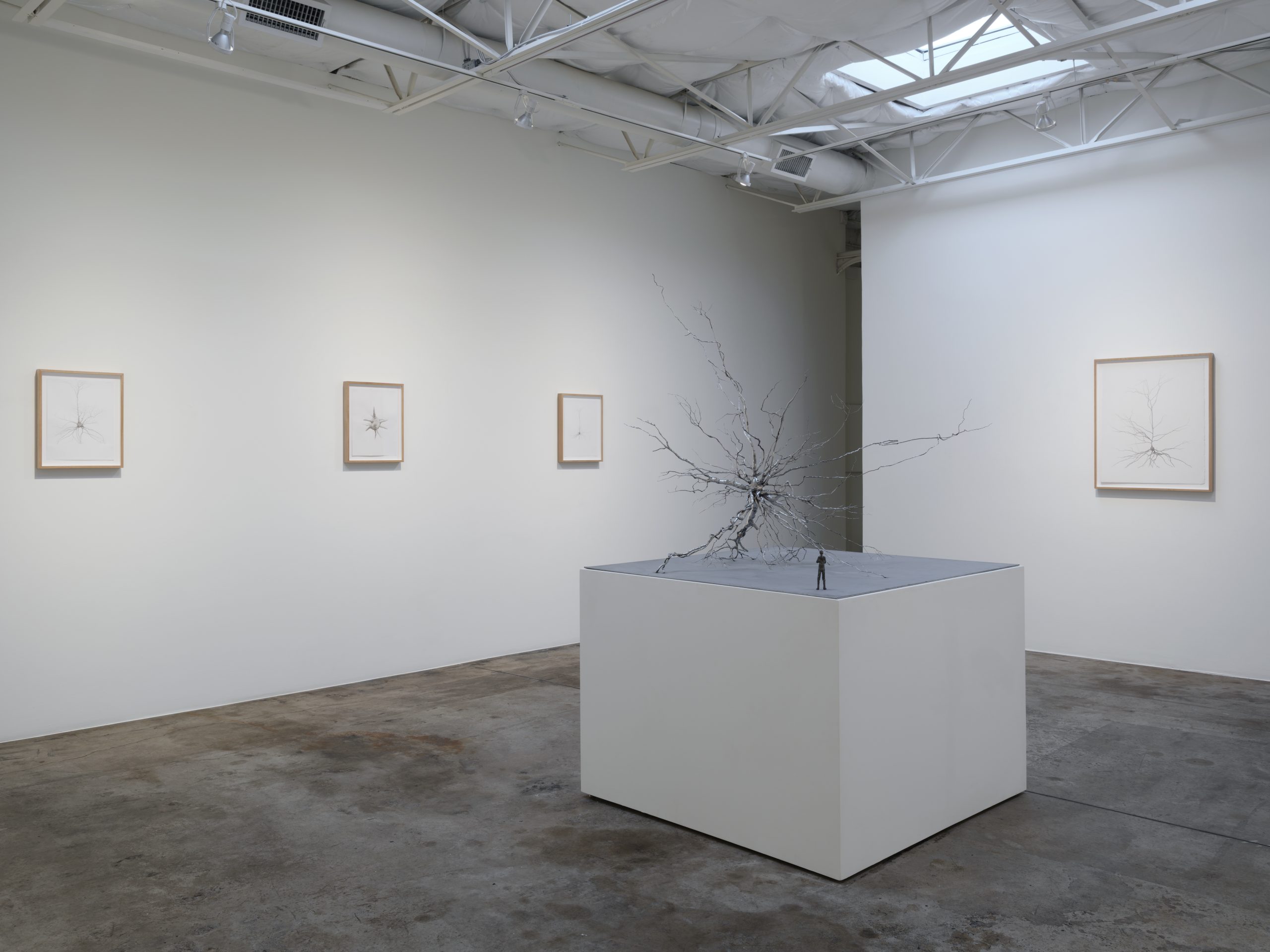
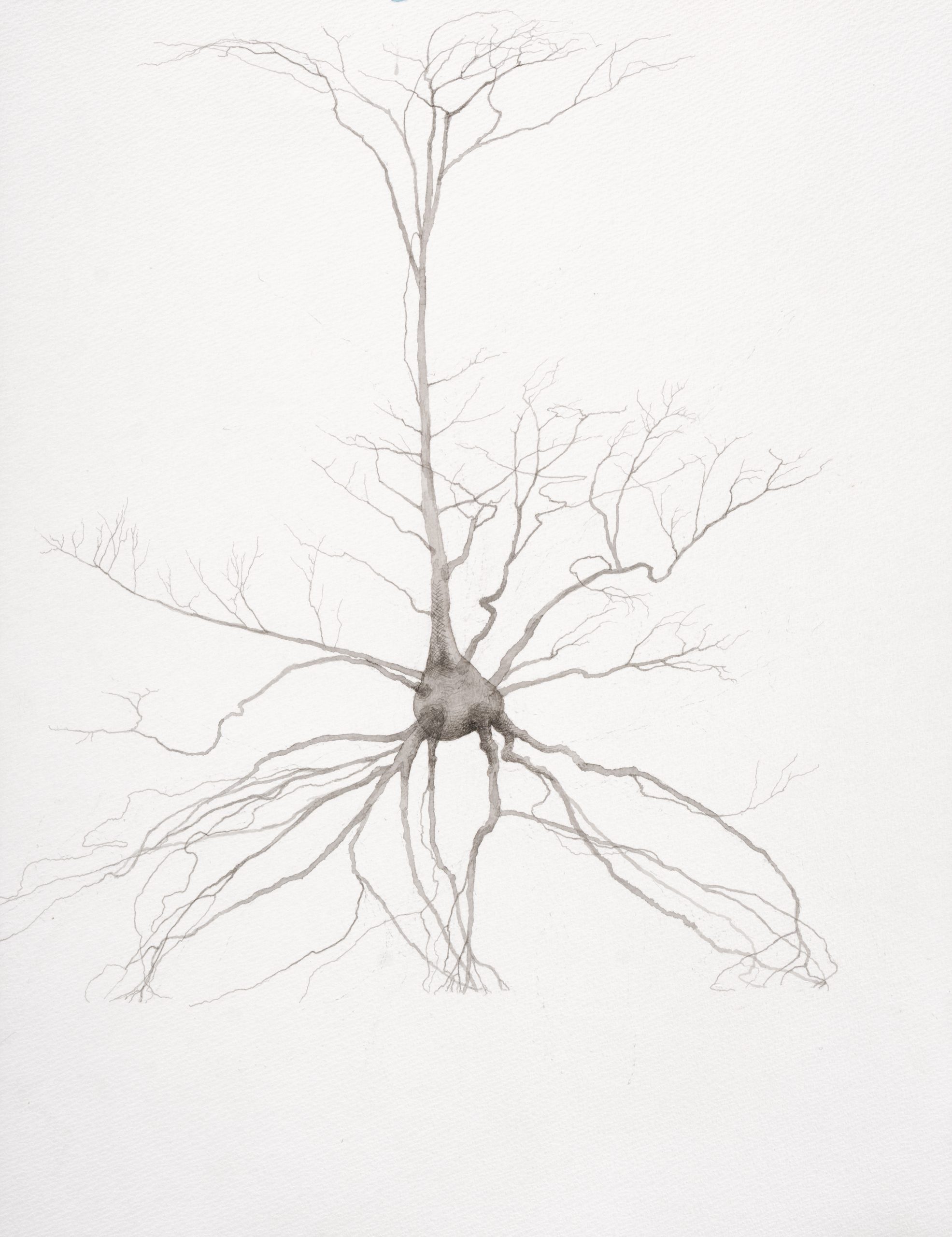
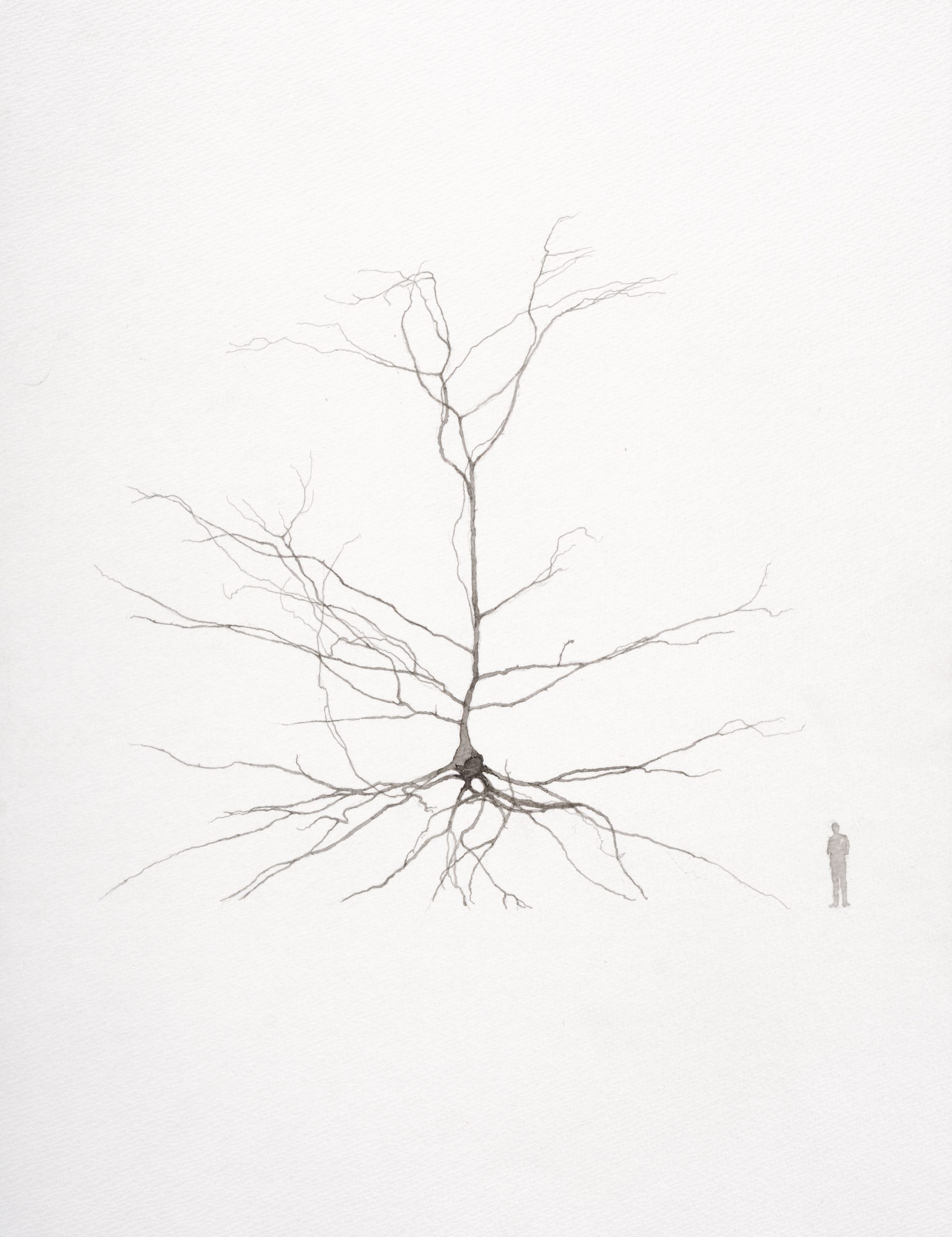
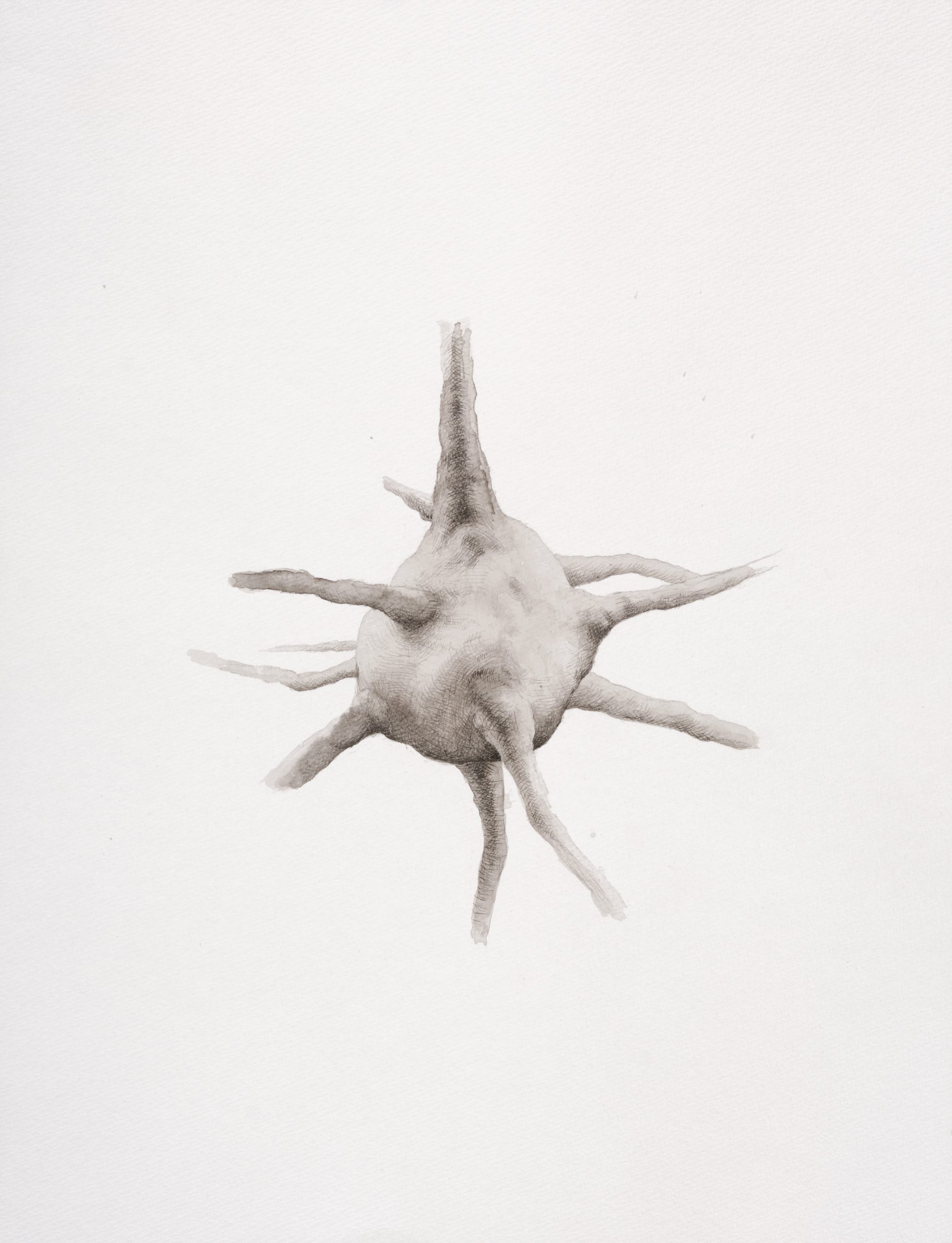
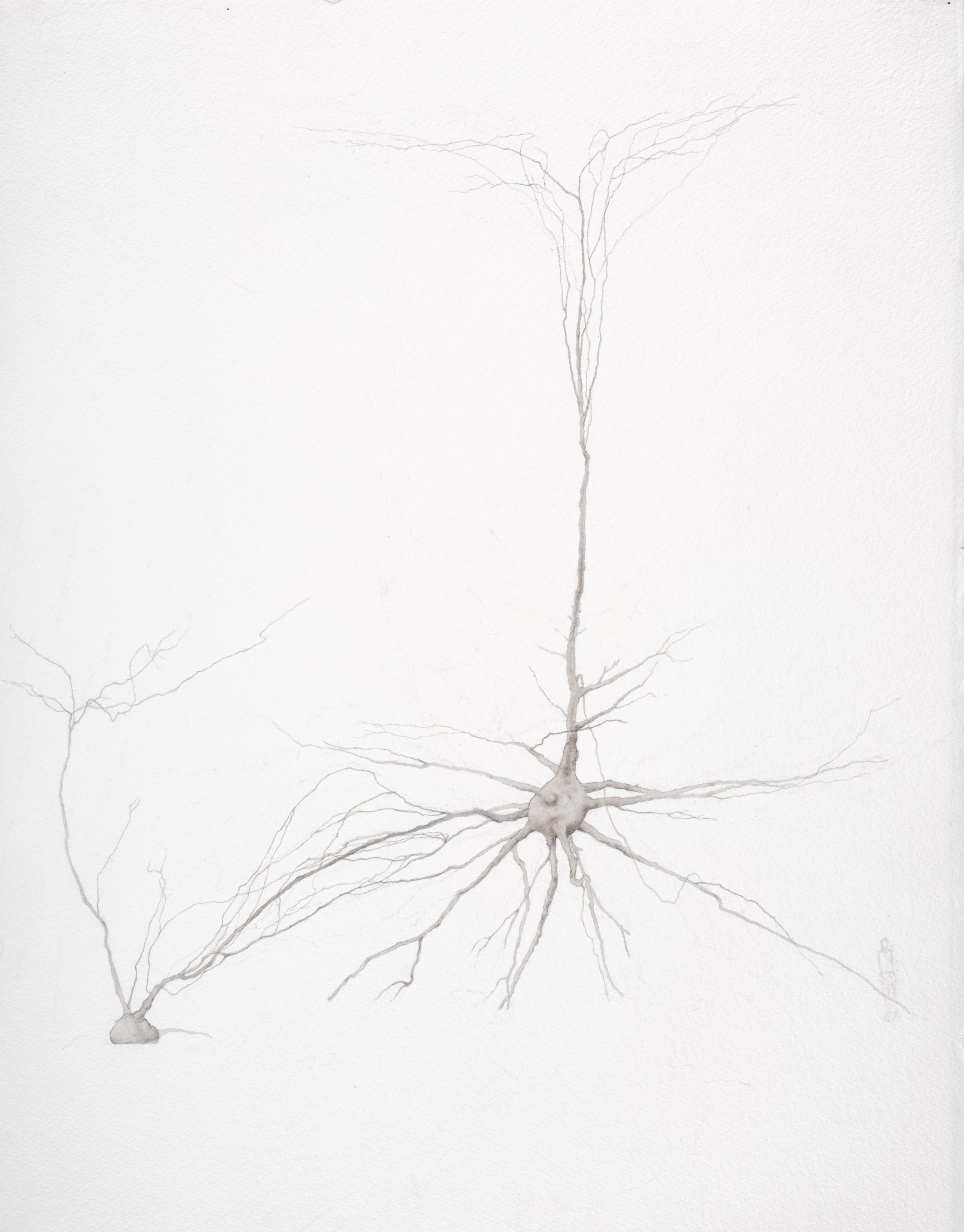
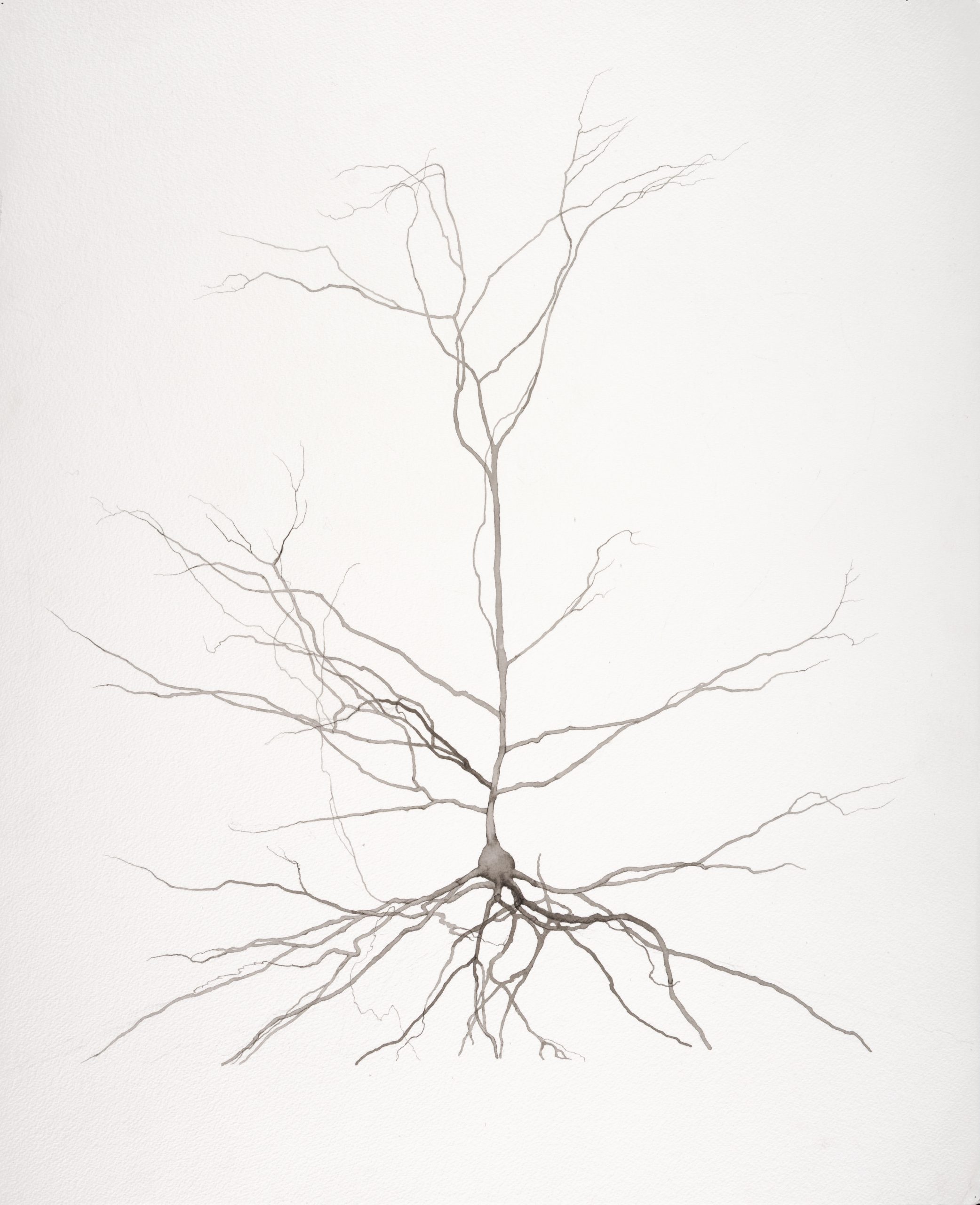
Talley Dunn Gallery is delighted to present Roxy Paine: Overgrown Neuron. For the past year, the gallery has collaborated with Paine on a major monumental sculpture, Overgrown Neuron, commissioned for the University of Texas Southwestern Medical Center in Dallas, Texas. In celebration of this sculpture and its pending installation this spring on the UTSW campus, the gallery is thrilled to present an exhibition of drawings and studies for the commissioned sculpture.
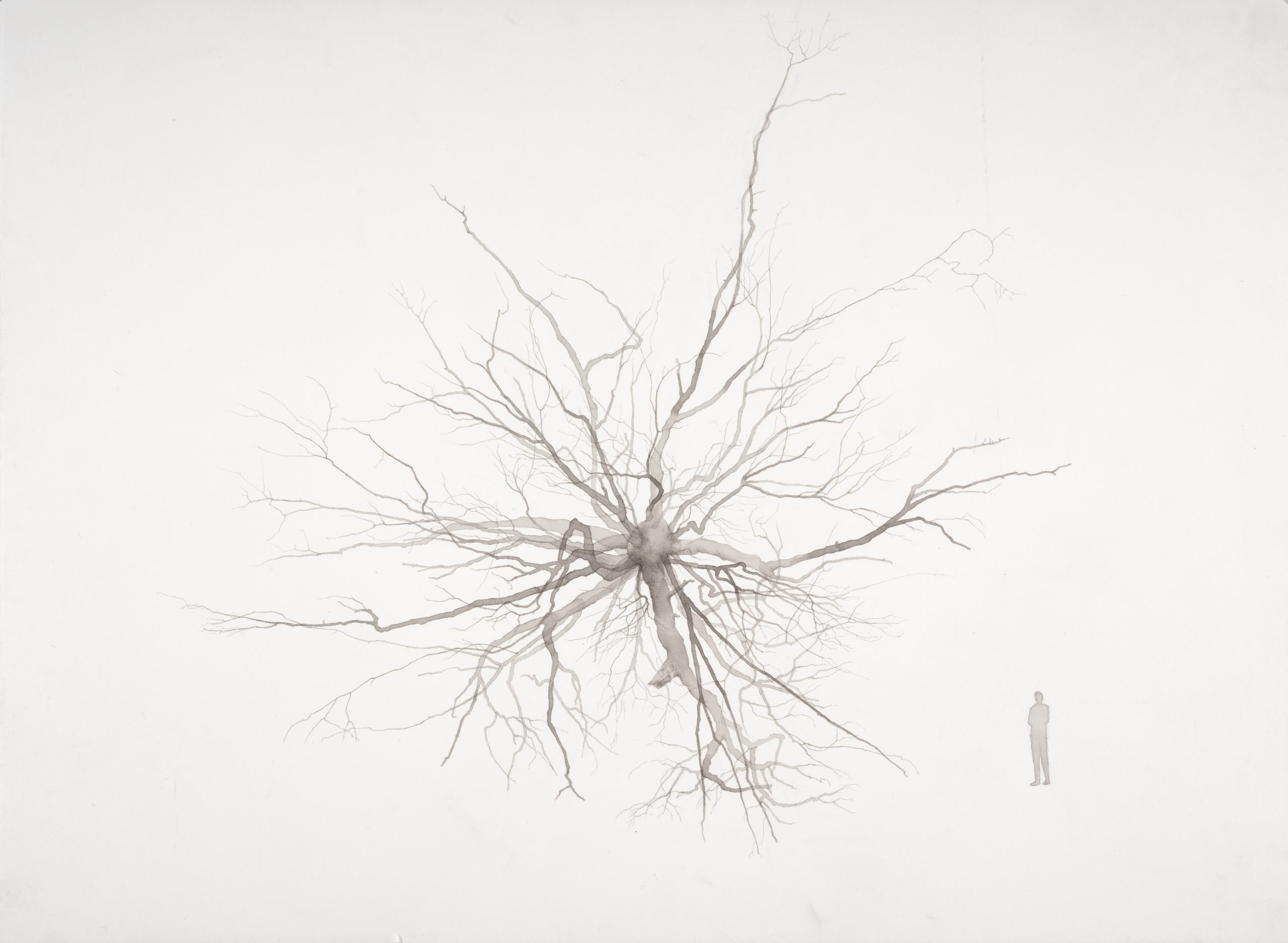
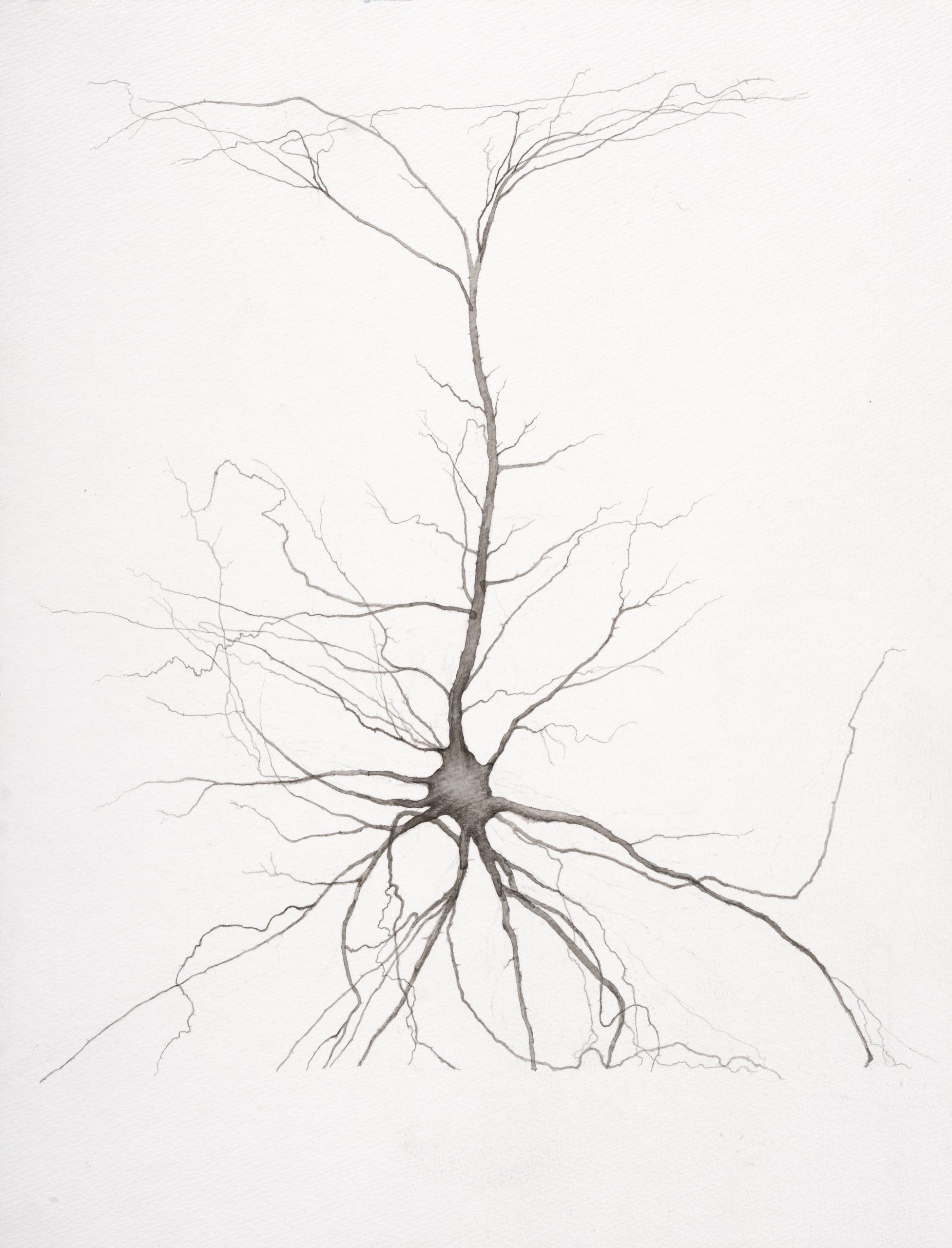
One of the most important artists of his generation, Paine has distinguished himself nationally and internationally through ambitious projects, a rigorous studio practice, and a singularly unique vision. For this project, Paine references the dendrite forms for which he is renowned. Handmade from stainless steel at the artist’s studio and spanning nearly fifty feet in height, width, and depth, Overgrown Neuron, is a tour de force by Paine. From his studio in Red Lodge, Montana, the artist created the composition of the neuron first through detailed ink drawings and then turned to meticulously creating an intricate stainless-steel model of the subject before embarking on the outdoor sculpture. Both the drawings and the model of Overgrown Neuron are on view in the exhibition.
While Overgrown Neuron is one of only two unique monumental neurons Paine has created during his distinguished career, its connection to Paine’s tree-like sculptures known as “Dendroids” is unmistakable. Having created his first Dendroid, Impostor, for the Wanas Foundation in Knislinge, Sweden in 1999 and then his second Dendroid sculpture, Bluff, in Central Park New York for the Whitney Biennial in 2002, Paine embarked on an exploration of dendritic structures from a microscopic presence to a monumental scale. Exploring the branching tendrils that radiate from a cell body of a neuron often forming what is known within science as dendritic trees, Paine has translated this basic molecular form found throughout nature into works of enormous scale. Choosing the industrial material of stainless steel, Paine manipulates the metal by hand through an arduous process of compressing, bending, and stretching the stainless steel into elements that have fluidity and movement. Without the use of digital imaging or a foundry, Paine composes each element of his heroic sculptures through the visual interpretation of his drawings and models. His commitment to the process of creating these sculptures by hand translates from his most formidable outdoor sculptures to indoor works of comparable complexity and intention.

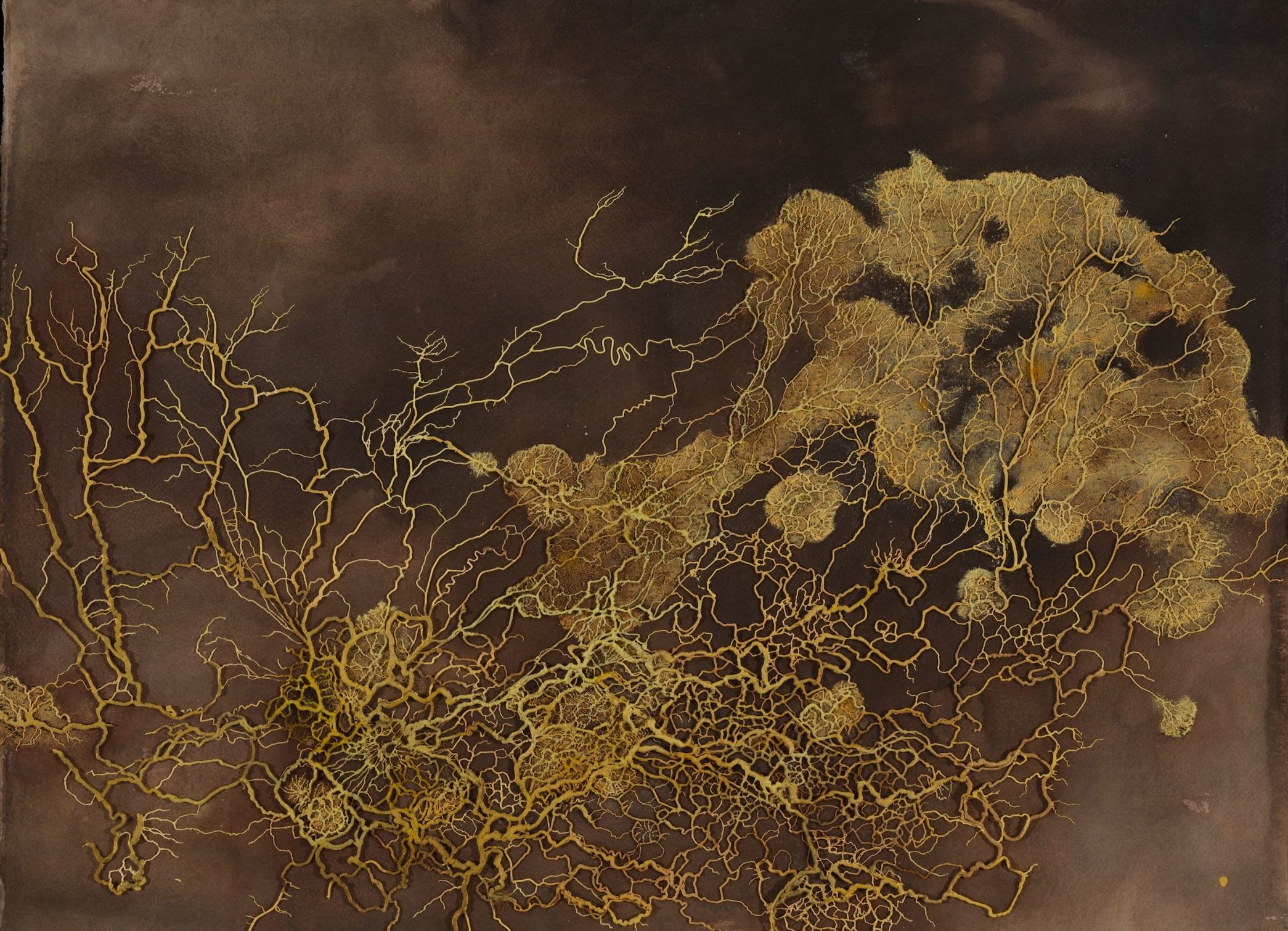

Roxy Paine is a conceptual artist whose work expresses the collision of human industries and the natural world. Paine’s studio practice has mobilized an incredibly diverse range of subjects and materials, including custom-designed machines that create paintings; pristine wood and metal replicas of trees, fungus, weeds, and tools; full-size wooden dioramas of human-built environments such as a fast food restaurant, a security checkpoint, and an electronic control room. The work conveys various conflicts, such as those between industry and nature, control and chaos, and form and theory. Consistent across all of work is an echo of human involvement despite the noticeable lack of human figures.
Among Paine’s most illustrious bodies of work is his series of monumental metal tree sculptures, one of which is permanently installed at the entrance of Crystal Bridges Museum of American Art in Bentonville, Arkansas. These visually stunning sculptures dominate their surroundings while also mirroring them. They transform the ordinary experience of encountering a tree into an absurd and utterly dehumanized event. As replications of nature they are both exquisite and horrifying.
Another of Paine’s most admired bodies of works is his series of machines that create paintings, contraptions that reflect on the value of mechanized production and critique the human impulse to impose order and control over creative and natural forces. These art-making machines—given such names as the Paint Dipper, PMU (Painting Manufacture Unit), and the Erosion Machine—juxtapose the constraints imposed by data and the randomness of nature and chance. The products these machines produce are questionable creations full of inefficiencies and idiosyncrasies.
Paine is a John Simon Guggenheim Memorial Foundation Fellow. His works are in the permanent collections of the Museum of Contemporary Art, Los Angeles, CA; San Francisco Museum of Modern Art, San Francisco, CA; Museum of Modern Art, New York, NY; the Whitney Museum of American Art, New York, NY; National Gallery of Art, Washington, DC; Denver Art Museum, Denver, CO; Crystal Bridges Museum of American Art, Bentonville, AR; Nelson-Atkins Museum of Art, Kansas City, MO; Hirshhorn Museum and Sculpture Garden, Washington, DC; Modern Art Museum of Fort Worth, TX; St. Louis Art Museum, St. Louis, MO; Fundación NMAC, Cadiz, Spain; National Gallery of Canada, Ottawa, Ontario, Canada; The Israel Museum, Jerusalem, Israel; De Pont Museum of Contemporary Art, Tilburg, Netherlands; among many others.